
Join the Webinar & See RFP360.ai in Action – May 6 & 7

The Problem Nobody Talks About in RFPs
A lot of people know that the RFP process is difficult, but not many realize why. The challenge is not just tight deadlines or complex requirements. The real issue is that many organizations still rely on outdated processes filled with spreadsheets, disconnected files, repetitive work, scattered communication, and manual evaluations.
Proposal teams often spend hours rewriting responses they have already written before. Procurement teams struggle to compare vendors efficiently because supplier evaluations are usually managed through spreadsheets and fragmented review processes. Important insights get buried, collaboration becomes difficult, and decisions are sometimes based more on assumptions than structured analysis.
For years, companies tried improving the process with templates, shared folders, and better documentation. But those solutions only improved small parts of a much larger problem.
Now, AI is changing the way organizations manage RFPs.
Modern AI-powered RFP tools are not just helping teams write faster. They are helping organizations automate workflows, improve supplier evaluations, centralize knowledge, reduce risk, and make smarter procurement decisions.
Some tools focus mainly on proposal drafting. Others specialize in compliance analysis or reusable content libraries. But only a few platforms are trying to improve the entire RFP lifecycle from beginning to end.
In this article, we’ll look at some of the best AI tools for RFP responses in 2026 and explore how they are transforming proposal management and procurement workflows.
What Makes a Good AI RFP Tool Today?
A strong AI RFP platform should do more than just generate responses quickly. The best solutions help teams simplify complex workflows, improve collaboration, organize knowledge, and make better decisions throughout the proposal process.
Modern proposal management software should help organizations:
- Reduce repetitive work
- Improve proposal quality
- Manage supplier evaluations more effectively
- Centralize approved content
- Automate workflows and reviews
- Support both procurement and proposal teams
The most valuable platforms are the ones that combine automation with intelligence. Instead of simply generating text, they help teams work smarter and more strategically.
Now let’s look at the platforms shaping the future of AI-powered RFP management.
Comparison Table: Best AI Tools for RFP Responses (2026)
| Tool | Best For | Key Strength |
|---|---|---|
| RFP360.ai | Full RFP lifecycle | AI scoring, evaluations, automation |
| Loopio | Content reuse | Knowledge management |
| Responsive | Enterprise workflows | Collaboration & integrations |
| GovDash | Government RFPs | Compliance-focused workflows |
| GovSignals | Opportunity analysis | Bid intelligence |
| VisibleThread | Compliance analysis | Readability & risk detection |
| 1up.ai | Fast drafting | Speed & simplicity |
1. RFP360.ai — Redefining the Entire RFP Lifecycle
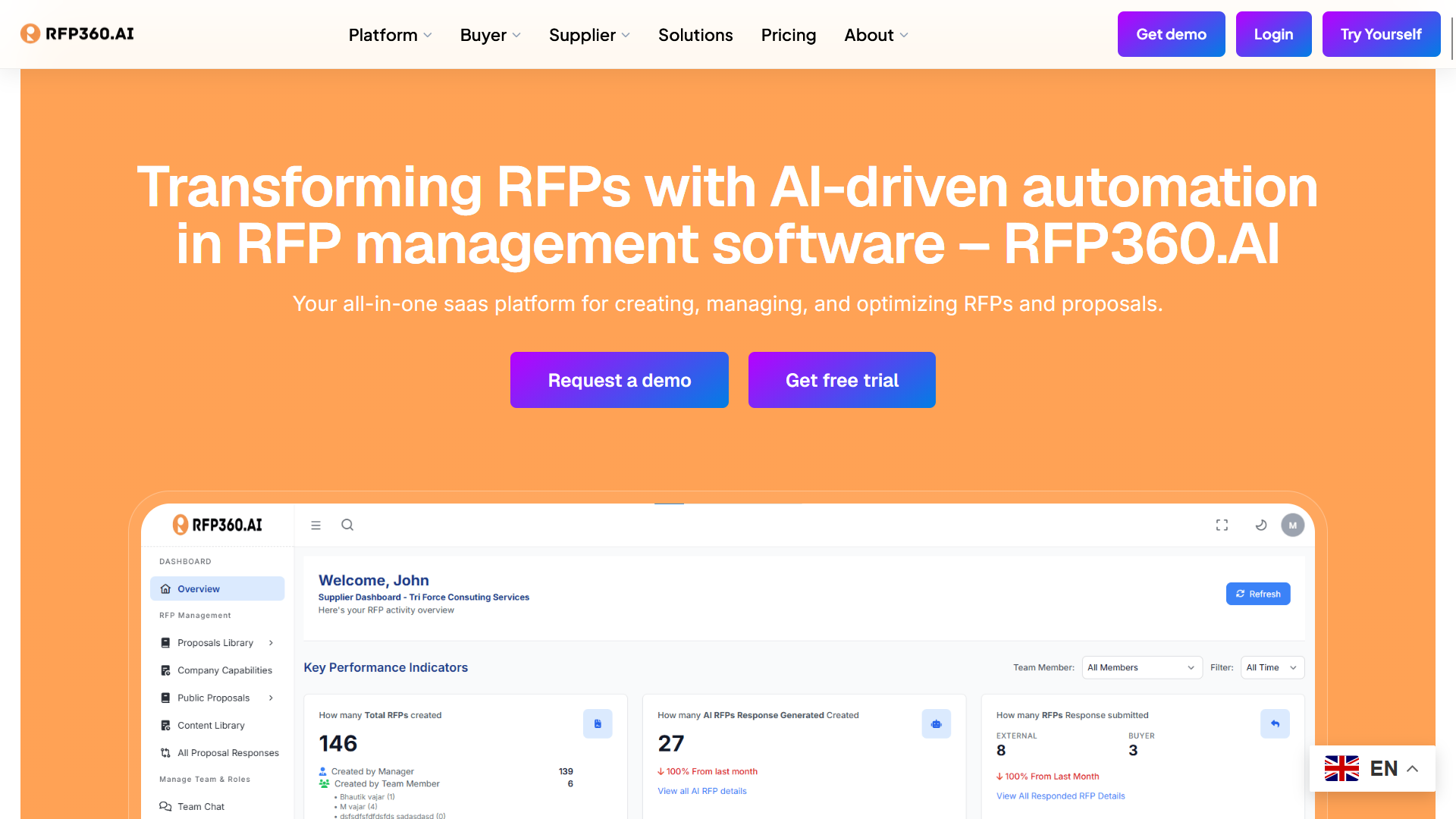
Unlike many tools that focus only on proposal drafting or content management, RFP360.ai is designed to support both buyers and suppliers throughout the complete RFP lifecycle.
That distinction matters because most organizations don’t just need help writing proposals. They also need better collaboration, supplier evaluations, compliance reviews, centralized workflows, and strategic procurement insights.
RFP360.ai brings all of these capabilities together in one connected platform. Instead of managing proposals through disconnected systems, organizations can streamline everything from RFP creation and supplier collaboration to AI-powered proposal drafting and evaluation scoring.
One of the biggest advantages of the platform is its focus on structured evaluations. Procurement teams often struggle with inconsistent scoring, spreadsheet comparisons, and manual reviews. RFP360.ai helps standardize the process using AI-powered analysis, supplier scoring, and risk detection.
On the supplier side, proposal teams can generate structured drafts faster while reusing approved content from centralized libraries. Teams can also improve procurement workflows using features like AI RFP Analysis and Evaluation & Scoring.
The platform may require more setup compared to lightweight tools, but organizations looking for long-term process transformation often find the investment worthwhile.
2. Loopio — Improving Content Reuse
Loopio focuses heavily on solving one of the most frustrating parts of proposal work: repeatedly answering the same questions.
Proposal teams often spend unnecessary time rewriting responses that already exist somewhere in past proposals, security questionnaires, or knowledge documents. Loopio helps centralize that information into reusable content libraries.
Teams can organize approved answers, quickly search for relevant responses, and maintain better consistency across submissions. This approach works particularly well for organizations handling a large volume of repetitive proposals.
However, while Loopio is very effective for content reuse and proposal efficiency, it focuses less on deeper procurement analytics, supplier evaluations, and full lifecycle workflow management.
3. Responsive — Enterprise Workflow Management
Responsive (RFPIO) is widely used by enterprise proposal teams because of its collaboration and workflow capabilities.
Large organizations often manage proposals across multiple departments, regions, and stakeholders. Responsive helps coordinate those workflows more efficiently by improving collaboration, task tracking, and enterprise integrations.
The platform works particularly well for companies that already operate within structured enterprise systems and need centralized proposal operations.
Its AI features assist with response suggestions and workflow automation, but the platform’s biggest strength is operational coordination rather than advanced AI analysis.
4. GovDash — Built for Government Contractors
Government RFPs are very different from commercial opportunities. They involve strict compliance requirements, extensive documentation, and highly structured proposal processes.
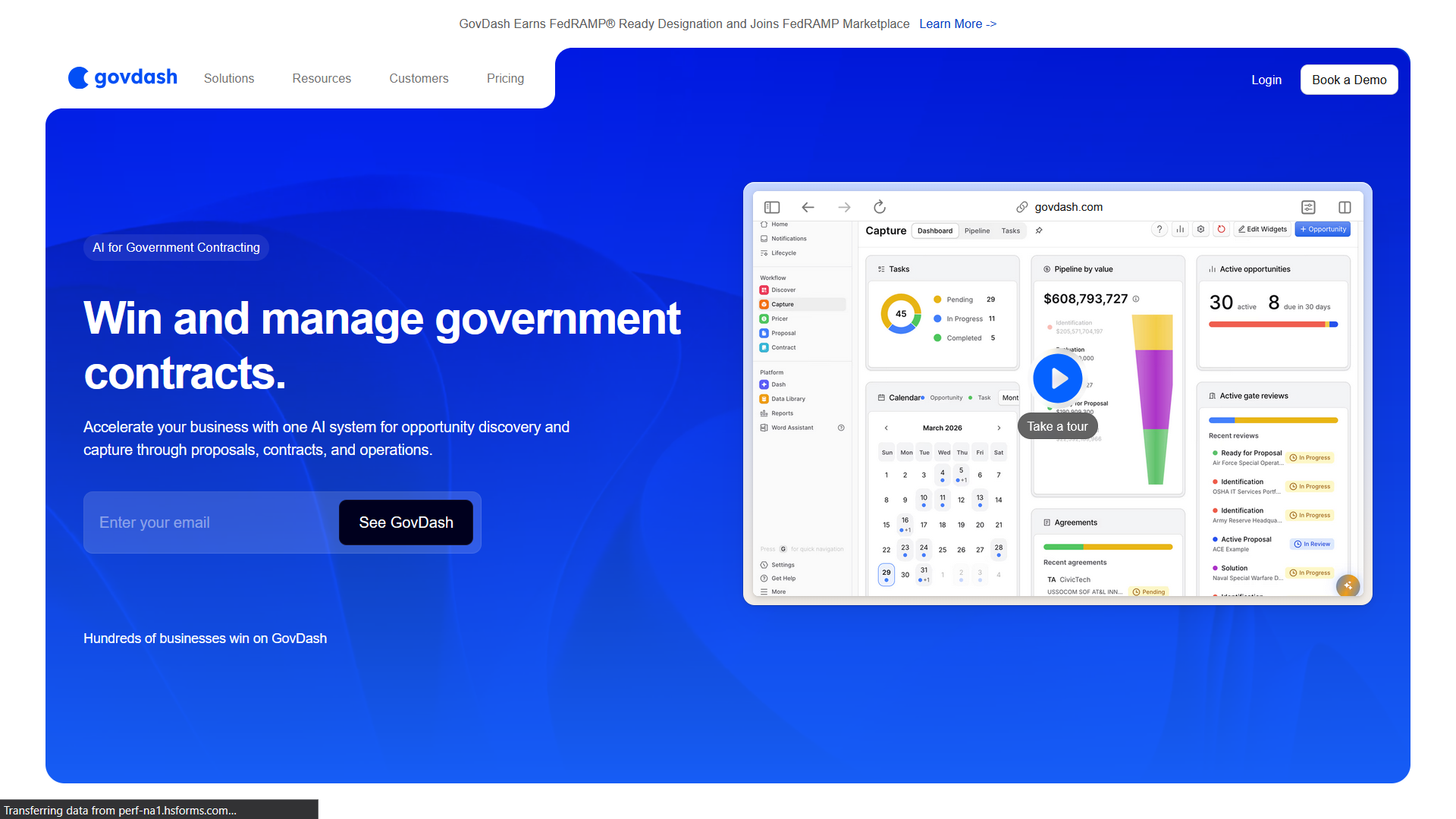
GovDash focuses specifically on helping government contractors manage those challenges. The platform helps teams identify opportunities, analyze requirements, monitor deadlines, and improve compliance-focused proposal workflows.
For contractors working with federal, state, or public sector opportunities, that specialization can be extremely valuable.
GovDash may not offer broad enterprise procurement capabilities outside government contracting, but within its niche, it provides focused support for compliance-heavy proposal environments.
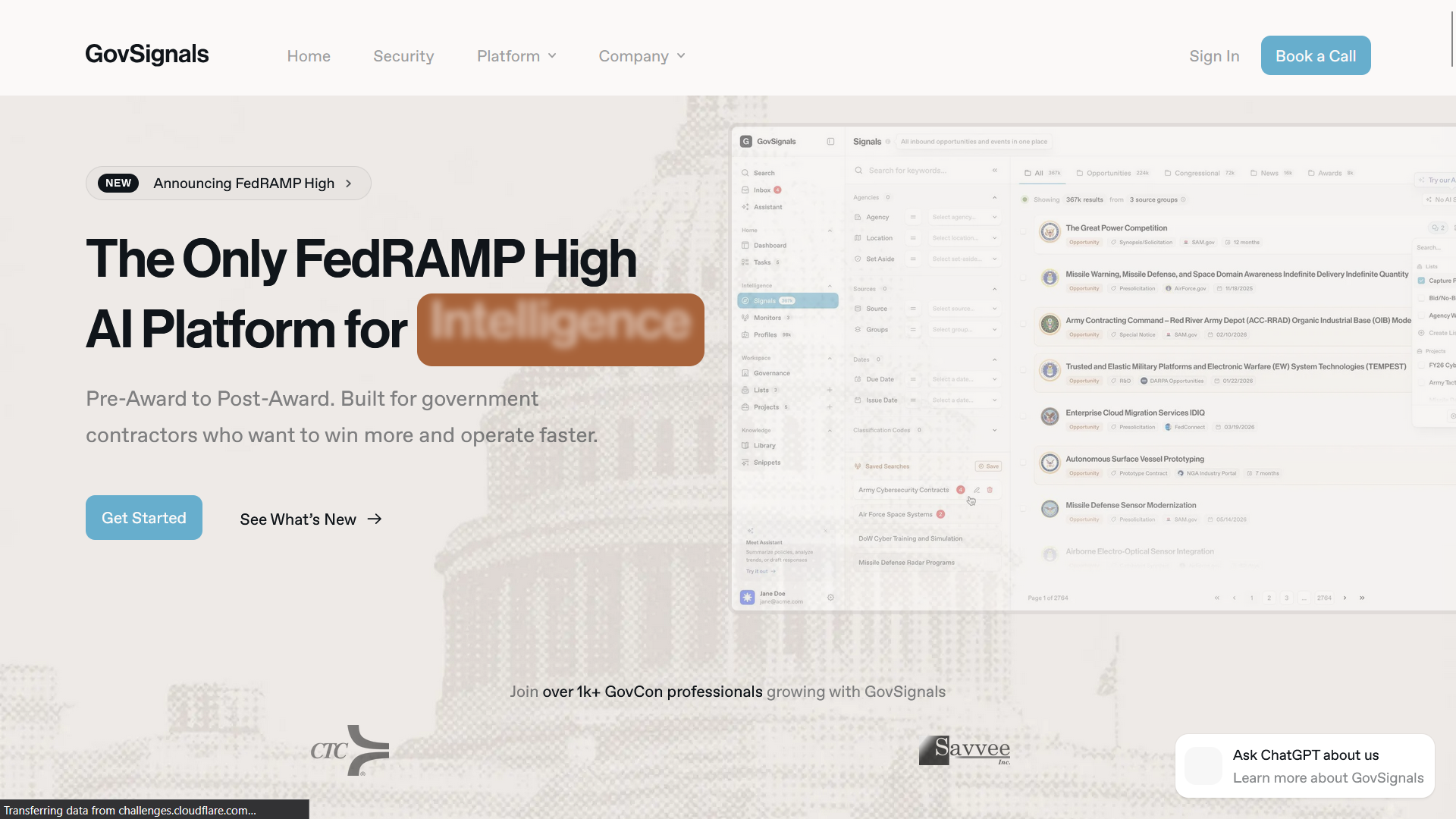
5. GovSignals — Smarter Opportunity Selection
GovSignals approaches the RFP process differently. Instead of focusing mainly on proposal creation, the platform focuses on helping organizations decide which opportunities are worth pursuing in the first place.
Many organizations waste time responding to opportunities that were never strategically aligned with their strengths. GovSignals uses AI-driven analysis and bid intelligence to help teams identify higher-probability opportunities.
This allows proposal teams to focus their time and resources on bids with stronger chances of success.
While GovSignals is not a full proposal management platform, its focus on opportunity intelligence solves a very important problem for strategic proposal teams.
6. VisibleThread — Improving Compliance and Clarity
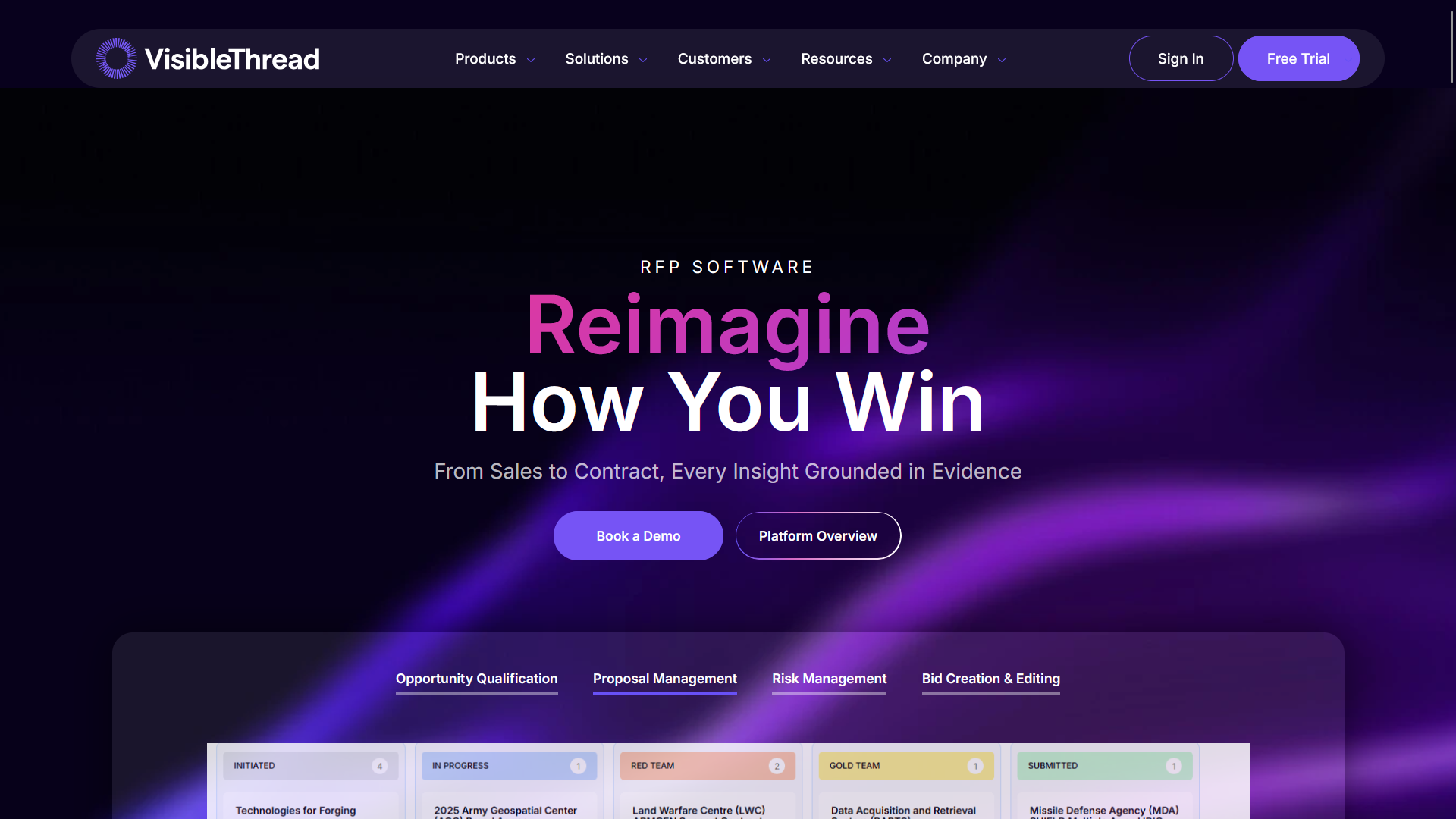
VisibleThread specializes in proposal readability, compliance analysis, and risk detection.
Many proposal teams focus heavily on technical content but overlook clarity, consistency, and compliance language. VisibleThread helps identify unclear writing, compliance risks, and readability issues before submission.
This can be especially important in highly regulated industries where proposal language and documentation quality directly impact evaluations.
VisibleThread works best as a complementary tool alongside broader proposal management platforms rather than as a complete end-to-end solution.
7. 1up.ai — Fast and Lightweight AI Drafting
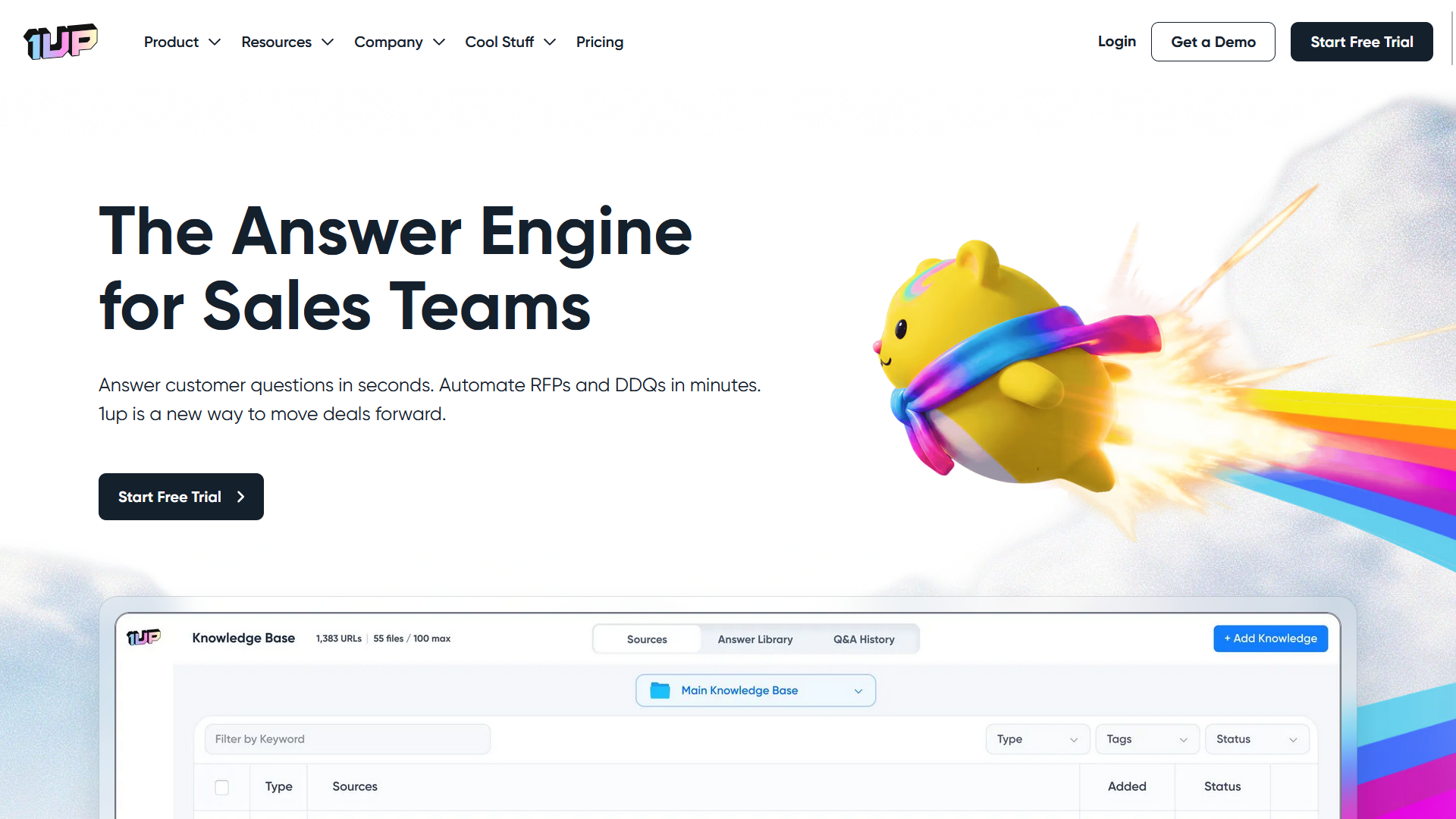
1up.ai is designed for organizations looking for quick AI-assisted proposal drafting without a heavy implementation process.
The platform focuses on simplicity, speed, and fast response generation. Smaller teams and growing organizations may find this lightweight approach attractive because it allows them to start using AI quickly without large operational changes.
However, compared to more comprehensive platforms, 1up.ai offers fewer advanced workflow management, evaluation, and procurement capabilities.
How AI Is Changing the Future of RFP Management
The RFP industry is clearly moving toward more connected and intelligent workflows. Organizations no longer want disconnected tools that solve only one small part of the process. They want platforms that support collaboration, automation, compliance analysis, evaluations, and strategic decision-making together.
AI is also becoming more advanced. Instead of simply helping teams write faster, AI is increasingly helping organizations:
- Identify risks
- Improve supplier evaluations
- Prioritize opportunities
- Reduce repetitive work
- Standardize procurement workflows
The future of proposal management will rely heavily on intelligent automation and connected collaboration across procurement and proposal teams.
Choosing the Right AI RFP Tool
There is no single “best” AI RFP platform for every organization. The right solution depends on your workflow challenges, proposal volume, industry focus, and operational goals.
Organizations looking for complete lifecycle management, supplier evaluations, AI analysis, and centralized workflows may prefer platforms like RFP360.ai.
Companies focused primarily on reusable content may lean toward Loopio, while government contractors may benefit more from GovDash or GovSignals.
What matters most is identifying the bottlenecks slowing your team down and selecting tools that directly address those problems. Organizations exploring modern procurement workflows can also review additional capabilities on RFP360.ai Features.
Conclusion
The traditional RFP process is no longer sustainable for organizations managing large volumes of proposals, supplier evaluations, and procurement decisions.
Manual workflows, spreadsheets, disconnected communication, and repetitive tasks create inefficiencies that modern AI platforms are now solving.
The tools discussed in this article represent different approaches to improving proposal management, procurement automation, and supplier collaboration.
Some focus on content reuse. Others specialize in compliance analysis or government contracting. Platforms like RFP360.ai are working toward something broader — connecting proposal drafting, evaluations, collaboration, and procurement intelligence into one unified workflow.
As AI continues evolving, organizations that modernize their RFP processes today will be better positioned to respond faster, evaluate suppliers more effectively, and improve long-term procurement outcomes.
Ready to Transform Your RFP Process?
Improve proposal management, streamline supplier evaluations, and automate RFP workflows with AI-powered procurement and response management tools built for modern teams.